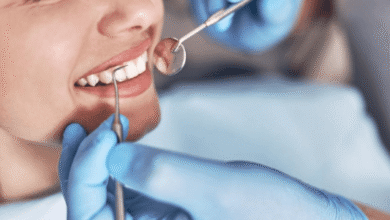

Your mouth affects your whole body. Preventive dentistry gives you control before pain and costly treatment take over. You focus on three simple habits. You clean your teeth every day. You see your Garland dentist on a regular schedule. You respond fast to small changes in your mouth. These steps lower your risk of cavities, gum disease, tooth loss, and emergency visits. They also protect your heart, blood sugar, and breathing. You do not need special tools or expensive products. You need steady routines and honest checkups. Regular exams and cleanings uncover problems early, when treatment is simple, and healing is fast. They also remove hidden plaque and tartar that brushing cannot reach. This blog explains how preventive care works, what to expect at each visit, and how to build habits that protect your teeth for life.
Why Prevention Matters For Every Age
Tooth decay is the most common chronic disease in children. It also affects many adults and older adults. Yet it is almost always avoidable. The Centers for Disease Control and Prevention explains that good daily care and regular dental visits cut decay and infection for children and adults.
You care for your mouth to:
- Keep your natural teeth as long as possible
- Chew, speak, and smile without fear or shame
- Reduce the need for crowns, root canals, and dentures
Bad oral health links to heart disease, stroke, and diabetes problems. Bacteria from infected gums can enter your blood. Sugar control can slip when infection spreads. Your daily care is not only about teeth. It is about your full body.
The Three Pillars Of Preventive Dentistry
Strong prevention rests on three pillars. Home care. Office care. Early action.
1. Home Care
Simple steps protect your teeth when you use them every day.
- Brush twice a day with fluoride toothpaste
- Floss once a day to clean between teeth
- Limit sugary drinks and snacks
- Drink tap water with fluoride when possible
The American Dental Association explains that fluoride strengthens enamel and helps stop early decay.
2. Office Care
Dental visits are not only for times of pain. They are checkups for your whole mouth. You and your dentist share the work. You clean at home. Your dentist checks what you cannot see.
3. Early Action
Small problems grow fast. A tiny cavity can turn into an abscess. Mild gum redness can turn into deep bone loss. You act early when you notice:
- Bleeding when you brush or floss
- New sensitivity to hot, cold, or sweets
- Bad breath that does not go away
- Loose teeth or changes in your bite
You do not wait to see if it passes. You call for an exam. Quick action protects your health and your money.
What To Expect At A Preventive Visit
Knowing what will happen in the chair can ease worry for you and your children. A routine visit usually includes three steps.
Step 1. Review And X Rays When Needed
- Review of your medical and dental history
- Discussion of any pain, changes, or fears
< X-raysys help your dentist see decay between teeth, bone levels, and infections that hide under fillings or gums.
Step 2. Professional Cleaning
- Removal of plaque and tartar from teeth and along the gumline
- Polishing to smooth the tooth surface
- Fluoride treatment when needed
Tartar is hardened plaque that brushing cannot remove. Only a cleaning can clear it. If tartar stays, it irritates your gums and leads to infection.
Step 3. Exam And Plan
- Check of teeth, gums, tongue, and cheeks
- Screening for oral cancer
- Review of brushing and flossing technique
- Plan for any needed treatment and next visit
Your dentist should explain what is happening in plain words. You have the right to ask questions. You share choices about your care.
How Often You Need Preventive Visits
Most people need a checkup every six months. Some need visits every three or four months. A few with very low risk can stretch to once a year. Your schedule depends on your history, health, and habits.
| Risk Level | Signs | Suggested Visit Frequency |
|---|---|---|
| Low | No recent cavities. Healthy gums. No smoking. | Every 6 to 12 months |
| Medium | Past cavities. Mild gum bleeding. Some sugar or snack use. | Every 6 months |
| High | Frequent cavities. Gum disease. Diabetes or smoking. | Every 3 to 4 months |
You and your dentist should review this schedule each year. Needs change with age, health, and life stress.
Preventive Dentistry For Children
Good habits start early. You can shape how your child feels about the dental chair. You can also protect baby teeth, which hold space for adult teeth and help with speech.
Use three steps.
- Wipe your baby’s gums with a clean cloth after feedings
- Start brushing as soon as the first tooth appears
- Schedule a first dental visit by age one or within six months of the first tooth
Ask about sealants for school-age children. Sealants are thin coatings placed on the chewing surfaces of back teeth. They block food and bacteria from hiding in deep grooves.
Preventive Dentistry For Adults And Older Adults
Life stages bring new oral needs. You might face dry mouth from medicine. You might see gum recession or loose teeth. You might have trouble brushing due to hand pain or memory loss.
You can protect yourself when you:
- Tell your dentist about all medicines and health changes
- Use fluoride toothpaste and sometimes a fluoride rinse
- Use special brushes or floss aids if your hands hurt
- Ask for help if you care for an older parent or partner
Older adults often skip visits because of cost or transport. Yet they face a high risk of root decay and gum disease. Support from family or caregivers can prevent sudden tooth loss and infections.
See also: Advanced detection tech: keeping us safe from hidden threats
Turning Prevention Into Habit
Lasting change comes from small steps you repeat. You can use three simple moves.
- Set phone reminders to brush and floss
- Keep a small oral kit at work or school
- Schedule your next visit before you leave the office
You deserve a mouth that feels clean, steady, and pain-free. Preventive dentistry gives you that control. You act early. You keep problems small. You protect your health and your family’s health with steady, honest care.