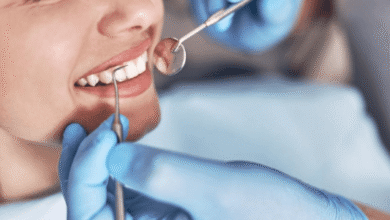
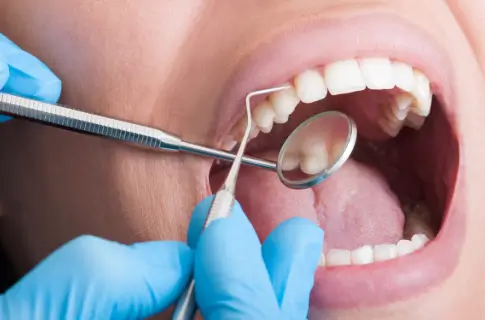
Small flaws in your teeth can carry heavy weight. A chip from years ago. A gap that pulls your smile out of line. Stains that never seem to fade. You may hide your teeth in photos or avoid smiling at work. That quiet tension wears you down. Cosmetic bonding offers a simple fix. It uses tooth colored resin to reshape, repair, and brighten your teeth in one visit. There is no surgery. There is often no shot. You sit down with a dentist in Wichita Falls and walk out with a changed smile. The change can feel sharp and clear. Edges look smoother. Spaces look smaller. Cracks seem to vanish. You gain a smile that looks natural. You keep your own teeth. You gain control over how you show up at work, with family, and in your daily life.
What Cosmetic Bonding Can Fix
Cosmetic bonding covers or reshapes the front of a tooth. The material sticks to your tooth and hardens under a light. You can use bonding to:
- Repair small chips and worn edges
- Close small gaps between teeth
- Cover stains that do not respond to whitening
- Change the shape of teeth that look too short or uneven
- Protect exposed root surfaces from wear
You and your dentist choose the teeth that bother you the most. You focus on what you see when you talk, laugh, and eat. That focus keeps the visit short and the change clear.
How the Bonding Visit Works
The process is simple and quiet. You stay awake and aware. You stay in control. A typical visit includes three steps.
First, you talk about your goals. You point out the teeth that upset you. The dentist looks at your bite and your gums. This helps the dentist judge what bonding can fix and what calls for another treatment.
Second, your dentist prepares the tooth surface. The dentist roughens the outer layer with a gentle gel. This helps the resin grip the tooth. There is no deep drilling. There is no removal of large amounts of tooth.
Third, the dentist places and shapes the resin. A light hardens the material within seconds. The dentist then trims and polishes it until the tooth blends with the rest of your smile.
Bonding Compared With Other Options
Bonding is one tool. It is not the only one. You deserve to see how it stacks up against other common choices.
| Treatment | Main Use | Tooth Change | Time Needed | Estimated Longevity |
|---|---|---|---|---|
| Cosmetic bonding | Small chips, gaps, stains, shape fixes | Minimal removal of tooth | Often one visit | 3 to 10 years with care |
| Teeth whitening | Surface stains on many teeth | No removal of tooth | One to several visits | Months to a few years |
| Veneers | Larger shape or color changes | More removal of front tooth surface | Two or more visits | 10 to 15 years with care |
| Dental crowns | Weak, cracked, or heavily filled teeth | Significant reshaping of tooth | Two or more visits | 5 to 15 years with care |
This table gives rough ranges, not promises. A tooth that takes heavy force or grinding may need a stronger option. You and your dentist decide together.
Who Makes a Good Candidate
Cosmetic bonding works best when:
- Your gums are healthy and not swollen or bleeding
- You have small chips, cracks, or gaps, not large breaks
- Your bite does not hit hard on the tooth that needs bonding
- You do not grind or clench your teeth, or you wear a night guard
If you smoke or use tobacco, the resin can stain faster. If you drink dark coffee, tea, or soda often, the edges around the bonding can darken. Careful cleaning and regular checkups help slow that change.
How Long Bonding Lasts
Bonding is strong, yet it is not as strong as natural enamel. It can chip or wear over time. Life span depends on three things.
- Your bite and habits such as nail biting or chewing ice
- The location of the bonding in your mouth
- Your brushing, flossing, and dental visit routine
Many people keep bonding in good shape for several years. When it wears, the dentist can repair or replace the resin. You often do not need a full new treatment plan. You keep the same tooth. You only refresh the surface.
Risks and Limits
Every treatment has tradeoffs. You deserve them in plain words.
- Bonding can stain faster than your natural tooth surface
- The edges can chip if you bite hard objects
- Large changes in color may look less natural with bonding than with veneers
Yet the risks stay low when bonding is used for small changes. Regular exams help catch early wear before it turns into a break. Prompt repair keeps your smile steady.
See also: Advanced detection tech: keeping us safe from hidden threats
Steps You Can Take Now
You do not need to live with a smile that drains you. You can take three simple steps.
- Look in a mirror and note three teeth that upset you the most
- Write down what you want those teeth to look like
- Schedule a visit to ask whether cosmetic bonding can reach that goal
You deserve a smile that feels calm, steady, and honest. Cosmetic bonding gives you a quick fix that respects your time, your budget, and your natural teeth.