An interrupted power supply plays a critical role in today’s technology-driven world. From homes and offices to hospitals and data centers, power interruptions can cause data loss, equipment damage, and operational downtime. Understanding how an interrupted power supply works and why it matters can help individuals and businesses protect valuable systems and maintain continuity during unexpected outages.
This guide offers a clear, in-depth explanation of interrupted power supply systems, their benefits, types, and real-world applications, all written in a simple and engaging way.
Understanding Interrupted Power Supply Systems
An interrupted power supply refers to a power system that provides temporary electrical energy when the main power source fails. Unlike permanent power generation, these systems are designed to bridge the gap during outages, voltage drops, or electrical instability.
Definition of Interrupted Power Supply
An interrupted power supply is a backup electrical system that activates when utility power is disrupted. It ensures connected devices continue operating long enough for safe shutdowns or until primary power is restored. These systems are commonly used to protect computers, servers, medical devices, and communication equipment.
See also: How To Spot Hidden Mold In Your Home
Why Power Interruptions Occur
Power interruptions happen for many reasons, including:
- Severe weather conditions
- Grid overloads
- Equipment failure
- Maintenance work
- Natural disasters
Even brief interruptions can disrupt sensitive electronics, making an interrupted power supply an essential safeguard.
How Interrupted Power Supply Works
An interrupted power supply monitors incoming electrical power and responds instantly when abnormalities occur.
Core Components of Power Backup Systems
Batteries and Energy Storage
Batteries store electrical energy and supply it during outages. Modern systems often use sealed lead-acid or lithium-ion batteries for efficiency and reliability.
Inverters and Rectifiers
The rectifier converts incoming AC power into DC to charge the battery. When power fails, the inverter converts stored DC back into usable AC power for connected devices.
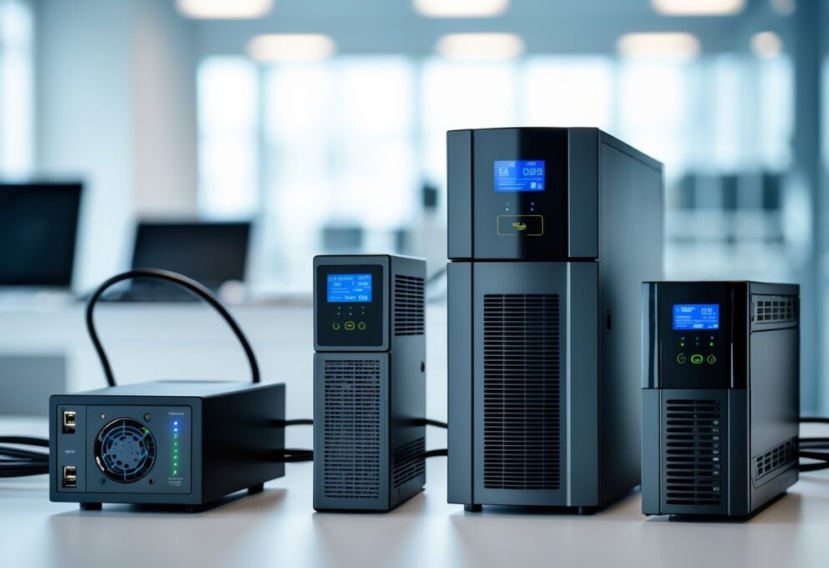
Types of Interrupted Power Supply
Different environments require different power protection solutions.
Standby Power Systems
These are basic systems that activate only when power fails. They are affordable and suitable for home computers and small offices.
Line-Interactive Power Supply
These systems regulate voltage fluctuations without switching to battery power, offering improved protection for network equipment and workstations.
Online Double-Conversion Systems
The most advanced option, these systems provide continuous power conditioning and are ideal for data centers and hospitals.
Interrupted Power Supply vs Continuous Power Systems
An interrupted power supply provides temporary backup, while continuous power systems generate electricity constantly. Interrupted systems are more cost-effective and practical for short-term outages, making them widely used across industries.
Key Benefits of Using Interrupted Power Supply
Equipment Protection
Electrical surges and sudden shutdowns can damage electronics. An interrupted power supply shields devices from voltage spikes and irregularities.
Data Safety and Reliability
For businesses, data loss can be costly. These systems allow safe shutdowns, preventing corruption and loss of critical information.
Additional benefits include:
- Reduced downtime
- Improved productivity
- Enhanced system lifespan
Applications of Interrupted Power Supply
Residential Use
Homes use interrupted power supply systems to protect computers, routers, security systems, and smart home devices.
Commercial and Industrial Use
Businesses rely on these systems for:
- Servers and data centers
- Medical equipment
- Manufacturing control systems
- Financial institutions
Industries that depend on uninterrupted operations consider these systems essential.
How to Choose the Right Interrupted Power Supply
Selecting the right system requires careful planning.
Power Capacity and Load Requirements
Calculate the total wattage of devices you want to protect. Choosing a system with adequate capacity prevents overload and ensures stable operation.
Runtime and Battery Life
Determine how long devices must run during an outage. Longer runtime requires higher battery capacity.
Installation and Maintenance Best Practices
Proper installation ensures optimal performance. Place systems in well-ventilated areas and follow manufacturer guidelines. Regular battery testing and scheduled maintenance help extend system life and prevent unexpected failures.
Common Mistakes to Avoid
Avoid these frequent errors:
- Underestimating power needs
- Ignoring battery replacement schedules
- Placing systems in hot or humid environments
These mistakes can reduce effectiveness and lifespan.
Environmental and Energy Efficiency Considerations
Modern interrupted power supply systems are designed to be energy efficient. Many models support eco-modes that reduce power consumption and carbon footprint. Proper recycling of batteries also helps protect the environment.
For further reading on energy-efficient power systems, visit the U.S. Department of Energy website:
👉 https://www.energy.gov
FAQs About Interrupted Power Supply
1. What is an interrupted power supply used for?
It provides temporary backup power during electrical outages to protect devices and data.
2. How long can an interrupted power supply last?
Runtime depends on battery capacity and connected load, ranging from minutes to several hours.
3. Is interrupted power supply necessary for homes?
Yes, especially for protecting electronics, internet equipment, and security systems.
4. Can interrupted power supply damage devices?
No, when properly selected and maintained, it protects devices from power-related damage.
5. How often should batteries be replaced?
Typically every 3–5 years, depending on usage and environmental conditions.
6. Is installation complicated?
Most small systems are plug-and-play, while larger systems may require professional installation.
Conclusion and Final Thoughts
An interrupted power supply is no longer a luxury—it is a necessity in a world that depends heavily on reliable electricity. Whether for home use or critical business operations, these systems protect equipment, preserve data, and ensure peace of mind during unexpected power disruptions.
By understanding how interrupted power supply systems work and choosing the right solution, you can safeguard your technology and maintain continuity no matter what challenges arise.